Live Courses
On this page, you will be able to view the details of the entire educational course portfolio offered by the RCPCH Education Team
About this page
This page lists ALL courses offered by the RCPCH Education Team.
To view courses currently available to book, please see the Course calendar below or visit the RCPCH courses page on the main RCPCH Website
If there is not a scheduled date for a course, you can submit an expression of interest to be alerted when the course next goes live.
If you have any questions related to our live courses, please contact the team
Upcoming courses
-

How to Manage: Adolescent Health
This one-day online course will give you an understanding of issues facing young people as they develop, and practical tips of how to engage and work with them within the framework of developmentally appropriate healthcare.
How to Manage: Childhood Poverty
This one-day course looks at the causes and consequences of child poverty as well as the link between poverty and health inequalities. You will hear from clinicians whose service has been ‘poverty proofed’ and the impact it has had.

How to Manage: Common Cardiac Problems
This a one-day course focusing on common cardiac problems encountered by any clinician involved in the care of children.

How to Manage: Common Dermatological Problems
This is a one-day, online course focusing on the common dermatological disorders encountered by clinicians involved in the care of children

How to Manage: Diabetes in Children
This course provides a clinical framework for the diagnosis and management of children and young people with type 1 and type 2 diabetes. It also covers dietetic management and the psychosocial impact of having a diagnosis of type 1 diabetes.

How to Manage: Eating Disorders
Eating Disorders are classified as mental health disorders which can result in serious and life- threatening short and long-term medical consequences and are increasingly common in day to day paediatric practice.

How to Manage: Emotional and Behavioural Problems in Community Paedatrics
This online course will help you gain the skills and knowledge to effectively support children and young people experiencing emotional and behavioural problems, in community paediatrics.

How to Manage: FASD in Community Paediatric Services
This course will help you to develop an understanding of how to assess and diagnose Fetal alcohol spectrum disorders (FASD) within a local child development service including assessment of key domains, and diagnostic formulation.

How to Manage: Gastroenterology
This online course provides you with a clinical approach to effectively investigate and manage common gastrointestinal presentations in children and young people.

How to Manage: Leadership and Practice in Health Improvement
Health improvement and health promotion are vital components of a functioning health system, but are often neglected in service provision and professional training.

How to Manage: Paediatric Allergy Training 1 (PAT1)
This online course will focus on the practical, clinical management of allergy in children and young people. It is the first in a series of three Paediatric Allergy Training (PAT) courses provided by the RCPCH.

How to Manage: Paediatric Allergy Training 2 (PAT2)
This online course will focus on the practical clinical management of allergy in children and young people. It is the second in a series of three Paediatric Allergy Training (PAT) courses provided by RCPCH.

How to Manage: Paediatric Allergy Training 3 (PAT3)
This is the third of a series of three Paediatric Allergy Training study days that focus on the practical clinical management of allergy in children and young people.
How to Manage: Paediatric Sepsis
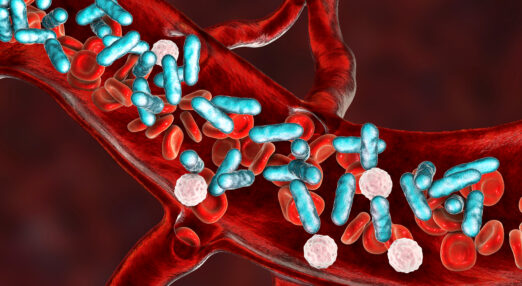
This one-day online course explores how to recognise and effectively manage life-threatening sepsis.

How to Manage: Recognising Neuromuscular Disorders
This course focuses on the early recognition of neuromuscular conditions, bringing together a multi-professional team to deliver a case-based programme for health visitors, nurses, physiotherapists, general practitioners & allied healthcare professionals.

How to Manage: Children & Young People seeking asylum & refugees
This course aims to increase awareness, knowledge, skills and confidence to assess and manage the health needs of children and young people seeking asylum and refugees across medical settings.
How to Manage: Asthma Masterclass
This one-day online masterclass will develop your skills and knowledge in effectively managing children and young people with asthma as well as exploring best practice when supporting asthma patients and their families.
How to Manage: Non-Malignant Haematology
This study day will help you develop an approach for the management of non-malignant haematological problems, including sickle cell disease, thrombocytopenia, thalassaemia and thrombosis.
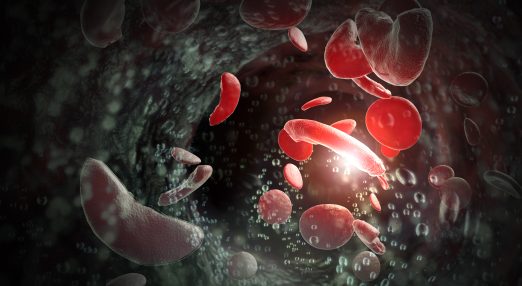
How to Manage: Paediatric Sickle Cell Disease
This online course will help you to develop an approach for the effective management of paediatric sickle cell disease.
How to Manage: Child Mental Health
This course will develop your skills and knowledge in effectively managing general mental health problems encountered in day-to-day clinics and increase your confidence in selecting appropriate interventions to support patients and their families.
-

MRCPCH/DCH Foundation of Practice exam preparation – online learning
This online learning package will explore topics within the FOP exam that previous candidates have found particularly challenging. You will be quizzed on case scenarios to help you understand the key knowledge and skills required. Through faculty presentations, you will learn more about the various topics covered as well as practical tips of how to approach the exam and the pitfalls to avoid so you can present to the exam with confidence.

MRCPCH Applied Knowledge in Practice exam preparation – online learning
This online learning package will explore topics within the AKP exam that previous candidates have found particularly challenging. You will be quizzed on case scenarios to help you understand the key knowledge and skills required. Through faculty presentations, you will learn more about the various topics covered as well as practical tips of how to approach the exam and the pitfalls to avoid so you can present to the exam with confidence.

MRCPCH Clinical exam preparation – online learning/in-person
This exam preparation is intended for candidates registered for the MRCPCH Clinical exam. It focuses on exam technique and prepares you for the various stations so you can plan your revision wisely, make the most of your knowledge and present with confidence in the exam.

DCH Clinical exam preparation – online
This one-day course will familiarise you with the Diploma of Child Health Clinical exam. You will gain a greater understanding of the assessment criteria, the key skills required and the pitfalls to avoid by focusing on what the exam is expecting from you, and, through practice, how to approach each station.
-

Effective Educational Supervision
This online course meets the General Medical Council's requirements for educational supervisors. It explores the fundamentals of educational supervision and provides essential updates on the RCPCH Progress + Curriculum and RCPCH assessments.

Mentoring Skills
This highly interactive one-day course provides paediatricians with the core skills and knowledge to be an effective mentor.
-

Statement and report writing (Level 3) – online
This course explores what is required from statements and reports. With guidance, you will identify the issues to be addressed and the relevant evidence to be included. You will use objective criteria to assess what has been written and receive feedback to help improve your skills.

Child protection: From examination to court – England/Wales (Level 3)
On this course, you will learn about the structure, language, specifications and usage of medical reports that support good decision making at different stages of the child protection process (including court proceedings).

Child Protection in Scotland: From examination to court (Level 3) – online
On this course, you will learn about the structure, language, specifications and usage of medical reports that support good decision making at different stages of the child protection process (including court proceedings).
Safeguarding (Level 3) – online
To support paediatricians to meet their Level 3 competencies as outlined by the Intercollegiate document, the RCPCH offers various courses focusing on key and emerging themes in safeguarding and child protection.

Safeguarding in the digital world (Level 3) – online
This one day course looks at both the potential benefits and the potential harms of the online world for children and young people, and how paediatricians can best support them to use this environment well.
Children, violence and safeguarding (Level 3) – online
This one-day course looks at the impact of violence on children and young people and the skills to address safeguarding issues that arise as a result.

Safeguarding, neurodevelopmental disorders and neurodisability (Level 3) – online
This one day online course looks at recognising both challenges children and young people face as well as how paediatricians can give the care they deserve with neurodevelopmental disorders and neurodisability in mind.

A general paediatrician’s guide to common ano-genital presentations (Level 3)
This one day in-person course looks at how to effectively examine children with ano-genital presentations, recognise possible signs of abuse and how to keep children at the centre of care.

Child sexual assault and the forensic examination (Level 3+)
This two day in-person course is structured to equip paediatricians with both the technical and forensic skills to obtain high quality samples, and the knowledge and understanding of the physical, emotional and procedural considerations of managing children who have experienced suspected sexual assault.

Expert witness in child protection (Level 3+, 4 and 5) – online
This two-day course provides paediatricians, who are already acting in an expert capacity or those with professional witness experience wishing to do so in the future, with the skills required to fulfil this key responsibility.

Supporting Level 4/named and Level 5/designated doctors for looked after children or safeguarding children
This hybrid event, and accompanying pre-course eLearning package, covers a range of key and hot topics relevant to Level 4/named and Level 5/designated doctors working with either looked after children or in paediatric safeguarding in line with the Level 4 and 5 competencies set out in the Intercollegiate Document.
-

Recipes for Engagement: exploring active engagement with children and young people – course
As a paediatrician, child health professional or worker in the voluntary sector, how can you effectively and confidently involve children and young people - and their families - to share their views and wishes on their health service? We're here to help!